We live in a time when more people are looking back at traditional food habits to find real nourishment. Among the many forgotten grains making a comeback, hand-pounded rice is quietly reclaiming its place on the Indian plate.
Suppose you’ve ever wondered what makes it special or how it compares to regular white rice. In that case, this post will help you understand its nutrition, benefits, weight loss connection, and possible side effects — all in simple, practical terms.
What Is Hand-Pounded Rice?
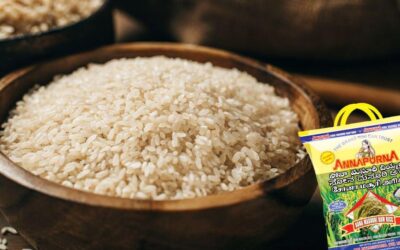
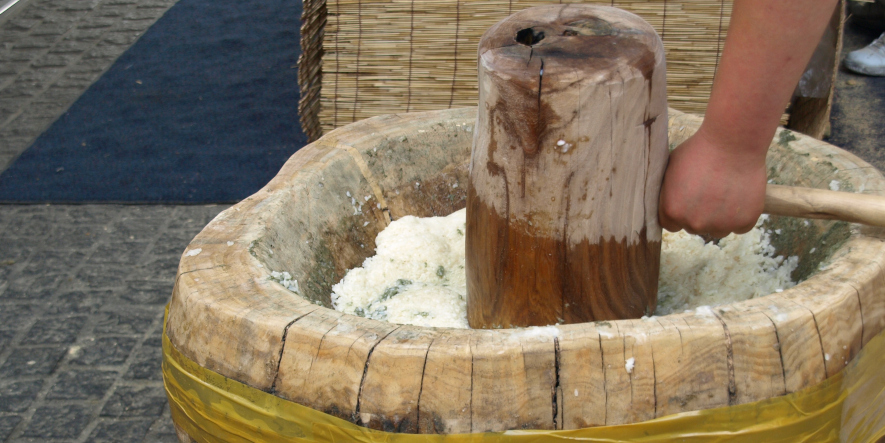
Before machines took over, rice was traditionally pounded by hand to remove the outer husk while keeping the nutritious bran layer mostly intact. This process gives the rice a slightly brownish tint and a nuttier flavor.
In contrast, modern milling techniques polish the rice to make it look white and shiny — but this process removes much of its fiber and nutrients. Hand-pounded rice may not look as refined, but it’s the version that stays true to nature.
Visual idea: A close-up image showing hand-pounded rice beside polished rice — the color and texture difference tells the story itself.

Hand-Pounded Rice Nutrition Facts
One of the main reasons people are switching back to hand-pounded rice is its nutrition profile. Because it’s only semi-milled, it retains the goodness that gets lost in processing.
Here’s what 100 grams of cooked hand-pounded rice typically contains:
- Calories: Around 110–130
- Carbohydrates: 24–26 g
- Protein: 2–3 g
- Fiber: 1.5–2 g
- Fat: Less than 1 g
- Rich in: Iron, magnesium, zinc, B-vitamins, and antioxidants
The slightly higher fiber and mineral content make it more balanced than white rice. It digests slowly, giving steady energy rather than quick spikes and drops in blood sugar.
Hand-Pounded Rice Benefits
1. Improves Digestion and Gut Health
Because it retains some of its bran, hand-pounded rice has natural fiber that supports digestion and helps prevent constipation. It also promotes healthy gut bacteria, which plays a vital role in overall wellness.
2. Helps Maintain Steady Energy
Unlike refined white rice, which gets digested quickly, hand-pounded rice releases energy slowly. You stay full longer, feel more energetic through the day, and avoid sudden hunger pangs.
3. Supports Heart Health
The fiber in hand-pounded rice may help reduce bad cholesterol levels. It’s also low in sodium and contains magnesium, which supports healthy blood pressure.
4. Keeps Blood Sugar Levels Stable
With a lower glycemic index compared to polished rice, it helps in maintaining stable blood sugar. This makes it a good option for people trying to manage diabetes or reduce sugar intake.
5. Encourages Sustainable Eating
By choosing hand-pounded rice, you support local farmers and traditional milling practices. It’s food that not only nourishes you but also keeps old, sustainable methods alive.
“Good food doesn’t need to be fancy. It just needs to be real.”
Hand-Pounded Rice Benefits for Weight Loss
Many people today are replacing white rice with hand-pounded rice in their weight-loss journey — and for good reason.
Here’s why it helps:
- High in fiber: You feel full for longer, reducing unnecessary snacking.
- Low glycemic index: Keeps your insulin levels steady, which is important for fat metabolism.
- Satisfying texture: Its slightly firm texture slows down eating, giving your brain time to register fullness.
However, it’s not a magic food. Weight loss depends on your total diet and lifestyle. Hand-pounded rice can support your goals when eaten in the right portions, preferably paired with vegetables, lentils, and protein.
If you’re used to white rice, start small — mix half and half. Over time, your taste buds and body will adjust naturally.
Hand-Pounded Rice Side Effects: What You Should Know
While hand-pounded rice has plenty of benefits, being aware of a few points ensures a balanced view.
- Heavier for some people: Because it contains more fiber and bran, it can feel slightly heavier on the stomach, especially for those with sensitive digestion or recovering from illness.
- Storage care: Natural oils in the bran layer can turn rancid faster in humid conditions. Store it in a cool, dry place in an airtight container.
- Cooking time: It takes slightly longer to cook, so soaking it for 20–30 minutes helps soften the grains.
These are not exactly “side effects” but practical considerations. For most people, hand-pounded rice is completely safe and healthier than over-processed varieties.
How to Include Hand-Pounded Rice in Your Diet
You don’t need to make a dramatic switch overnight. Start by introducing it into familiar dishes.
- Replace white rice in your everyday meals once or twice a week.
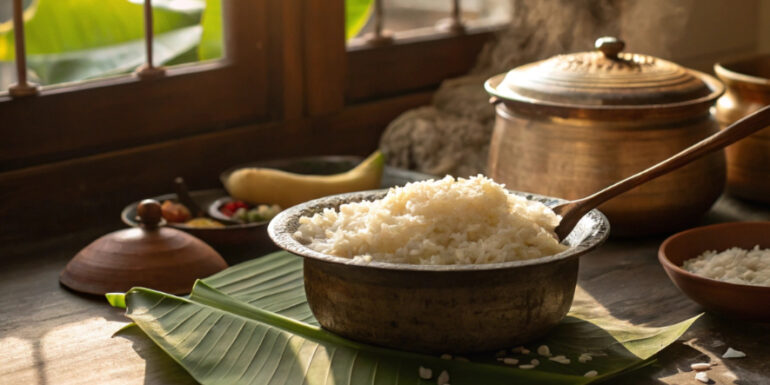
- Try traditional recipes like pongal, idlis, khichdi, or lemon rice.
- Use it for salads or rice bowls for a slightly nutty taste and texture.
Adding a drizzle of ghee or coconut oil can make it softer and easier to digest.
Visual idea: A bright image of a homely meal — hand-pounded rice served with dal, vegetables, and curd.
Real Insights from Nutrition Experts
Nutritionists often emphasize variety, balance, and moderation. Hand-pounded rice fits perfectly within that philosophy. It’s not about eliminating polished rice, but about understanding how traditional grains contribute to long-term health.
According to a study published in Food Science & Nutrition, rice varieties that retain their bran layer contain higher levels of antioxidants and essential nutrients. These natural compounds help protect cells from oxidative stress and support better metabolic health.
That’s the kind of quiet strength traditional foods offer — nutrition rooted in simplicity.
Final Thoughts: Bringing Tradition Back to the Table
In a world that often confuses convenience with health, hand-pounded rice reminds us that the simplest choices can sometimes be the most nourishing.
It may take a little longer to cook, and its earthy flavor might need a bit of getting used to, but once you do, it becomes a beautiful reminder of balance — the kind our grandparents practiced without ever calling it a “diet.”
Switch to hand-pounded rice, not because it’s trending, but because it’s time-tested. Eat mindfully, appreciate what’s on your plate, and let food do what it’s meant to — keep you well, naturally.