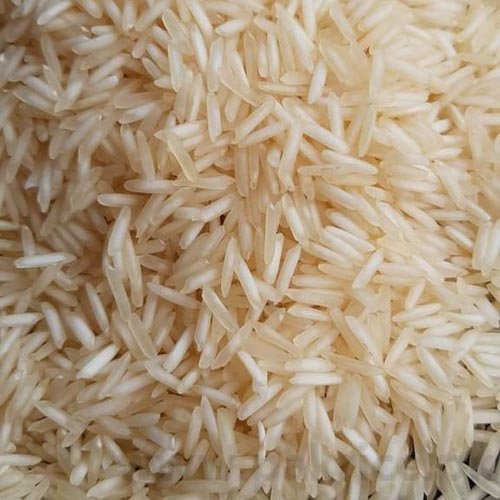
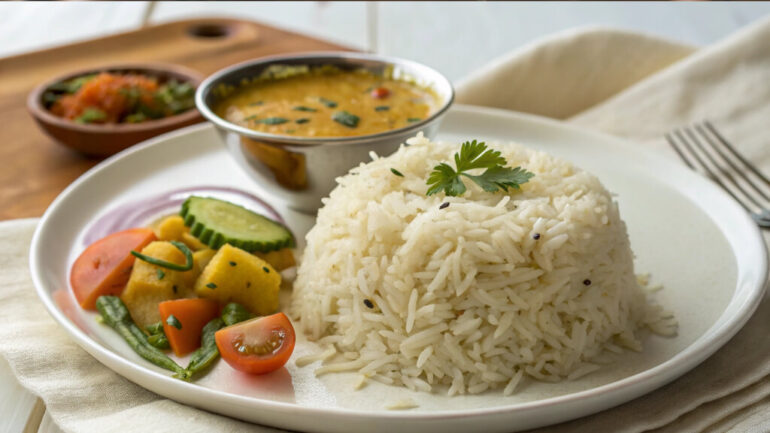
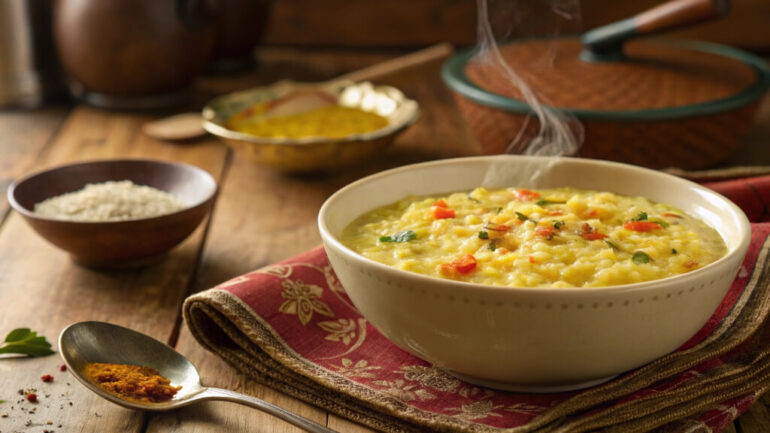
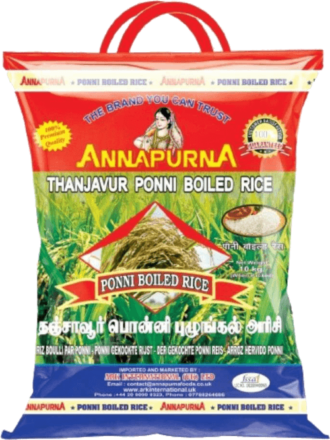
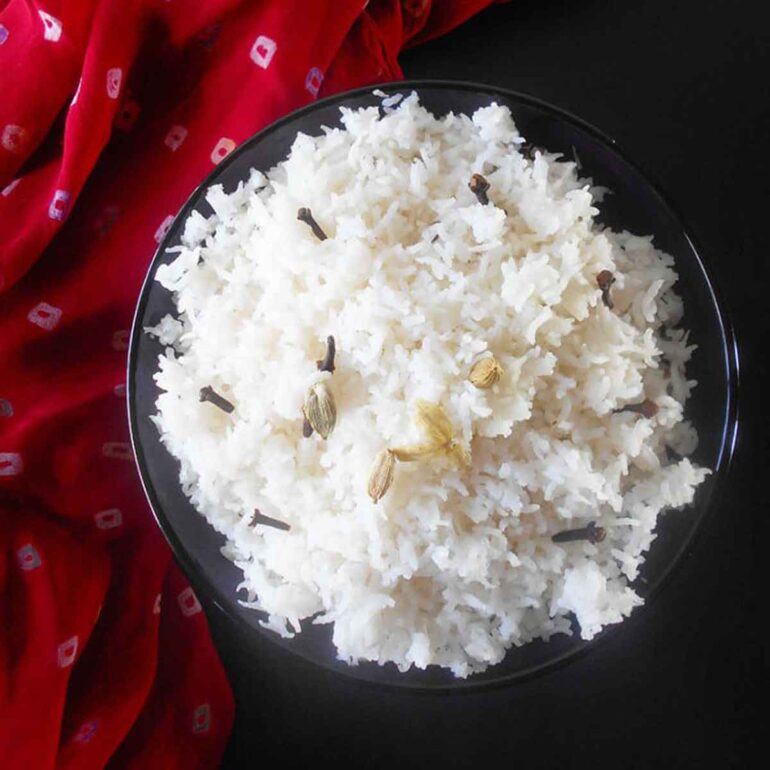
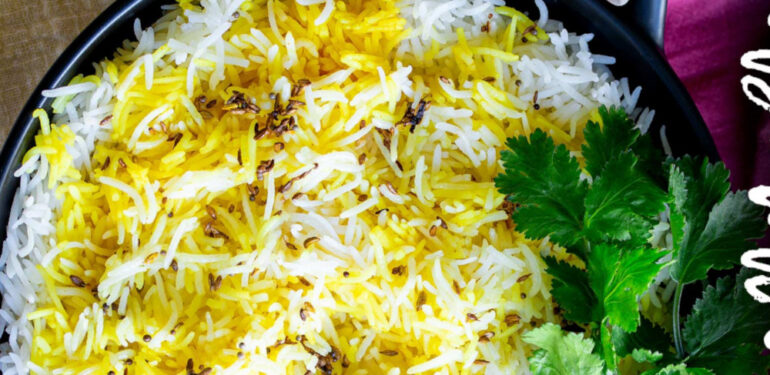
Experience the authentic taste and aroma of 1121 Extra Long Basmati Rice from Annapurna International. Our premium-quality basmati rice is carefully selected from the finest farms to deliver exceptional length, rich fragrance, and delicious flavor in every meal. Whether you’re preparing biryani, pulao, fried rice, or everyday dishes, our rice ensures a perfect cooking experience every time.
Why Choose Annapurna 1121 Extra Long Basmati Rice?
Extra-long grains that elongate beautifully after cooking
Naturally rich aroma and authentic basmati taste
100% Premium Quality
Consistent quality in every pack
Hygienically processed and carefully packed
Ideal for biryani, pulao, festive meals, and daily cooking
Soft, fluffy, and non-sticky texture after cooking
Carefully sourced from trusted growers
No compromise on quality
Trusted by families, restaurants, and food businesses
Our Promise
At Annapurna, quality is our highest priority. Every pack of our 1121 Extra Long Basmati Rice undergoes strict quality checks to ensure superior taste, consistency, and customer satisfaction.
Our Commitment
100% Quality Assurance
Consistent Grain Size and Purity
Superior Aroma and Taste
Premium Packaging for Freshness
Customer Satisfaction Guaranteed
Money-Back Guarantee* (subject to our return policy)
Benefits of 1121 Extra Long Basmati Rice
Premium extra-long grains
Excellent cooking performance
Rich natural aroma
Light, fluffy, and separate grains
Perfect for Indian and international cuisines
High customer satisfaction
Suitable for home kitchens, hotels, caterers, and restaurants
Why Customers Trust Annapurna Brand
Thousands of customers choose Annapurna because we deliver premium-quality basmati rice with consistent excellence. We never compromise on quality, ensuring every meal is memorable.
Must Try Annapurna International 1121 Extra Long Basmati Rice
If you’re looking for premium basmati rice with exceptional quality, authentic aroma, and outstanding consistency, Annapurna International 1121 Extra Long Basmati Rice is the perfect choice.
There comes a time when most of us pause and think about what we are feeding ourselves and our families. Food is not just about filling the stomach. It is about nourishment, energy, comfort, and sometimes even memories.
If you are exploring different types of rice and wondering whether Ambemohar riceis a healthy choice, you are not alone. Many home cooks want healthier options but still want something soft, flavourful, and easy to digest.
Let’s take a gentle and clear look at Ambemohar rice, its benefits, and whether it fits into a healthy daily diet.
What Makes Ambemohar Rice Special?
Ambemohar rice is known for its unique natural aroma that resembles mango blossoms, which is where its name comes from: Ambe meaning mango, and Mohar meaning blossoms.
People love it for:
Its soft texture
Quick cooking time
Mild flavour
Easy digestibility
It has been a part of Maharashtrian homes for generations and is often used in comforting dishes like varan bhaat, curd rice, khichdi, and festival meals.
It feels homely — and that is one of its strengths.
Nutritional Profile of Ambemohar Rice
While nutritional values can slightly vary depending on farming and polishing, an approximate value per 100 grams cooked may include:
Carbohydrates: 28 to 30 grams
Protein: 2 to 2.5 grams
Fat: Less than 1 gram
Fiber: Low to moderate
Vitamins: B-complex vitamins (small amounts)
Minerals: Potassium, magnesium, calcium in trace amounts
It is not a superfood. It is not a miracle grain. But it is a simple food that supports easy digestion and comfort.
Health Benefits of Ambemohar Rice
Here are some gentle but meaningful advantages:
Easy on digestion
Ambemohar rice becomes soft when cooked, making it great for people recovering from illness, those with digestive sensitivity, children, and older adults.
Supports heart health
Because it is naturally low in fat and contains trace minerals like potassium, it can support heart health when eaten in balanced portions.
Sluten free and gentle for sensitive eaters
If someone in your family avoids gluten due to sensitivity, Ambemohar rice is a friendly option.
Comforting and satisfying
Aromatic food plays a role in mental well being too. Comforting meals help reduce stress around eating, especially for those trying to eat healthier without feeling deprived.
Moderately supportive for blood sugar balance
It is still a polished white rice, so portion control matters. Pairing it with vegetables, lentils, or protein can help manage blood sugar release.
Is Ambemohar Rice Better Than Regular White Rice?
Both are white rice, but Ambemohar has a few differences:
Feature
Regular White Rice
Ambemohar Rice
Aroma
Mild
Strong mango blossom aroma
Texture
Firm or fluffy
Soft and delicate
Digestion
Moderate
Very easy
Cooking Time
Varies
Quick
So while the nutritional content is somewhat similar, the digestibility and natural aroma make Ambemohar a preferred choice for many households.
Who Can Benefit the Most?
Ambemohar rice may be an especially good choice for:
Children
Pregnant women
Elderly adults
People with weak digestion
Anyone who enjoys soft, comforting food
For diabetics and individuals managing weight, mindful portion size is key.
How to Include Ambemohar Rice in Your Daily Meals
You can enjoy it in simple and wholesome recipes such as:
Khichdi
Curd rice
Varan bhaat (dal and rice)
Pongal
Light pulao
Steamed rice with homemade curry
A useful tip: Instead of eating a large bowl of plain rice, serve a smaller amount and fill the plate with:
Dal or protein
Cooked vegetables
A small salad
A spoon of healthy fat like homemade ghee
This keeps the meal balanced and nourishing.
Things to Keep in Mind
Ambemohar rice is healthy when eaten mindfully, but:
It is not a whole grain
Excessive amounts may spike blood sugar
It should ideally be part of a balanced meal
No food needs to be feared — we just need to eat intentionally.
Frequently Asked Questions
Is Ambemohar rice healthy for everyday use? Yes, it can be part of a balanced daily diet when eaten with vegetables, lentils, and protein.
Can diabetics eat Ambemohar rice? Yes, but portion control matters. Pairing it with fibre and protein is recommended.
Is Ambemohar rice gluten free? Yes. Like most rice varieties, it contains no gluten.
Is Ambemohar rice good for weight loss? It can be included in a weight management diet when servings are controlled and paired with high fibre and protein foods.
How often can I eat it? Several times a week is fine if the meal is balanced and portion size is reasonable.
Final Thoughts
Ambemohar rice may not be the most popular rice variety everywhere, but it has its own charm. It brings aroma, softness, and a sense of calm to a meal. And sometimes, that matters just as much as nutrition.
If you are looking for a rice that is comforting, easy to digest, gentle on the stomach, and versatile in everyday recipes, Ambemohar rice can be a wonderful choice.
Ever ended up with a pot of mushy or undercooked Ponni Boiled Rice? Ugh, we’ve all been there. But guess what? Cooking this best rice doesn’t have to be a guessing game. Let me spill the secrets to nailing it every time using your trusty pressure cooker.
Why Ponni Boiled Rice?
Before we dive in, let’s chat about why this rice is a superstar:
Nutrient-rich: Parboiled to retain vitamins and minerals.
Less sticky: Perfect for biryanis, curries, or even fried rice.
Quick to cook: Ready in under 20 minutes!
What You’ll Need
1 cup Ponni Boiled Rice
3 cups water (yes, the ratio is KEY!)
Pressure cooker
A dash of patience (no peeking!)
Step-by-Step Guide to Fluffy Perfection
1. Rinse Like You Mean It
Wash the rice 2-3 times in cold water until it runs clear. This removes excess starch and stops clumping.
2. Water Ratio = Magic Formula
Add 1 cup rice + 3 cups water to the cooker. (Pro tip: For softer rice, add ½ cup extra water.)
3. Let’s Get Cooking!
Close the lid, turn the heat to medium.
Wait for 3-4 whistles (about 10-12 mins).
4. The Secret: Rest, Don’t Rush!
Turn off the heat. Let the cooker sit for 10 minutes. This lets the rice absorb any leftover steam.
5. Fluff It Up!
Gently open the lid, fluff the rice with a fork. Voilà!
Pro Tips for the Best Rice
Soak for extra fluffiness: 15-20 minutes before cooking.
Adjust heat: Lower flame after the first whistle to avoid burning.
Salt?: Add a pinch while cooking if you like seasoned rice.
Why This Method Works
Pressure cooking locks in steam, ensuring even cooking. The 1:3 rice-to-water ratio gives Ponni Boiled Rice the hydration it needs without turning soggy. Letting it rest? That’s the final touch for restaurant-style texture.
Pair It Like a Pro
Ponni Boiled Rice pairs like a dream with:
Spicy fish curry
Creamy dal tadka
Veggie stir-fries
Final Thoughts Cooking Ponni Boiled Rice is so easy once you know the tricks. No more gluey disasters—just fluffy, fragrant grains ready to elevate your meal. Give this method a try and tag me in your food pics!
Ever found yourself with way too much leftover rice or, worse, scraping the bottom of the pot because you didn’t cook enough? We’ve all been there! Rice is a staple in many households, but getting the portion right can feel like a guessing game.
Whether you’re meal prepping, feeding a family, or stocking up for emergencies, knowing how much rice to cook per person per day can save you time, money, and frustration. Let’s break it down in the simplest way possible.
Pain: The Common Problem with Rice Portions
The struggle is real. Some days, you cook just a little, and it disappears within seconds. Other times, you make way too much, and the leftovers take over your fridge for days.
I remember cooking for a family gathering once, thinking, “Eh, one big pot should do.” That “big pot” ended up feeding an army, and we had rice leftovers for the next four days. Safe to say, I learned my lesson.
So, how do we avoid this dilemma? By figuring out exactly how much rice we really need.
Problem: How Much Rice Do You Actually Need?
1. General Daily Rice Intake
The ideal amount of rice depends on various factors like diet, activity level, and meal preferences. But as a general rule:
For an average adult – ½ to 1 cup of uncooked rice per day.
For heavier eaters (athletes, laborers) – 1 to 1.5 cups of uncooked rice per day.
For lighter eaters or low-carb diets – ⅓ to ½ cup of uncooked rice per day.
Keep in mind that 1 cup of uncooked rice typically yields about 3 cups of cooked rice. So, if you’re serving rice as a side dish, you might need less than if it’s the main portion of your meal.
2. Different Types of Rice & How They Affect Portion Size
Not all rice is created equal! The type of rice you choose can impact how much you need per serving.
White Rice (Basmati, Jasmine, Long Grain) – Fluffier and expands more when cooked, so you may need a little less.
Brown Rice – Denser and more filling, meaning a smaller portion can be just as satisfying.
Sticky Rice (Glutinous Rice, Sushi Rice) – Clumps together and feels heavier, so people may eat less of it.
Transformation: How to Get It Right Every Time
1. The Foolproof Method to Measure Rice Per Person
If you want a simple way to never over or undercook rice again, try this:
For one meal: ⅓ to ½ cup of uncooked rice per person (yields about 1–1.5 cups cooked).
For a full day’s worth: ½ to 1 cup of uncooked rice per person.
For bulk cooking: Multiply by the number of servings you need, and always round down rather than up (leftovers are inevitable!).
A good visual trick? A fist-sized portion of cooked rice is a decent serving for most people.
2. Adjusting for Different Meals & Situations
Rice isn’t always eaten the same way. Here’s how you can tweak portions based on the occasion:
Main Dish (e.g., Rice Bowls, Fried Rice) – Use closer to 1 cup of uncooked rice per person.
Side Dish (e.g., Curry with Rice, Stir-Fry on Rice) – ⅓ to ½ cup of uncooked rice per person is enough.
Meal Prepping for the Week – Cook in batches and portion into daily servings.
Stocking Up for Emergencies – For long-term food storage, about 25–30 pounds of rice per person per year is recommended for sustenance.
Conclusion: No More Guesswork – Rice Like a Pro!
Now you know exactly how much rice to cook per person per day! No more second-guessing, no more wasted leftovers, and definitely no more half-empty plates. The key is understanding portion sizes, knowing your rice type, and adjusting based on your eating habits.
So, tell me—how much rice do you usually cook per person? Have you ever made way too much or too little? Drop your experiences in the comments, and let’s talk rice!
You know those days when you want something easy, healthy, and comforting? That’s when I whip up my favorite rice and pea recipe! It’s amazing how two humble ingredients can come together with some spices to create magic in a bowl. Let’s talk about why this dish deserves a spot in your weekly menu and the types of rice that can make it extra special.
The Health Factor: Why Rice and Peas Are a Great Combo
Rice and peas are a match made in foodie heaven. Here’s why:
Protein and Fiber from Peas: Peas are loaded with plant-based protein and fiber, keeping you full and energized.
Energy-Boosting Rice: Rice provides healthy carbs, making this dish light yet filling.
Low-Fat and Nutrient-Rich: Combined, they offer a balanced meal with minimal effort.
Whenever I’m looking for a wholesome vegetarian meal, this combo never fails me.
Types of Rice to Use in This Recipe
Choosing the right rice can take this dish from great to phenomenal. Here are my go-to options:
Basmati Rice: The king of rice! Its aroma and long grains make it perfect for this recipe. Bonus: It’s fluffy and absorbs flavors beautifully.
Sona Masoori: A lighter, medium-grain rice that’s ideal for everyday meals. It’s easy on the stomach and works wonderfully in this dish.
Matta Rice: If you want a hearty twist, go for Matta rice. Its chewy texture and earthy flavor add a unique touch to the recipe.
I often switch between these varieties depending on my mood. Each one brings something different to the table!
Now, it’s my go-to recipe for comfort food with a dash of elegance.
The Recipe: Indian-Style Rice and Peas
Ingredients:
1 cup of your choice of rice (Basmati, Sona Masoori, or Matta)
½ cup green peas (fresh or frozen)
2 tbsp oil or ghee
1 tsp cumin seeds
1 cinnamon stick
2-3 cardamom pods
1 small onion, finely chopped
1 tsp ginger-garlic paste
½ tsp turmeric powder
1 tsp garam masala
Salt to taste
2 cups water
Fresh cilantro for garnish
Steps to Cook:
Prepare the Rice: Rinse the rice thoroughly and soak it for 20 minutes. Drain and set aside.
Sauté the Spices: Heat oil or ghee in a pan. Add cumin seeds, cinnamon, and cardamom, and let them sizzle.
Cook the Base: Add the chopped onion and sauté until golden. Stir in the ginger-garlic paste, turmeric, and garam masala.
Add Peas and Rice: Toss in the peas and drained rice, mixing gently to coat everything in the spices.
Simmer: Pour in 2 cups of water, add salt, and bring to a boil. Reduce the heat, cover, and let it cook until the rice is tender and water is absorbed.
Garnish and Serve: Fluff the rice with a fork, garnish with fresh cilantro, and serve hot.
Tips for Making It Extra Special
Whole Spices: Don’t skip them—they elevate the flavor.
Garnish Matters: A sprinkle of cilantro and a squeeze of lemon juice can make all the difference.
Pair It Up: Serve with yogurt, pickle, or a simple cucumber salad for a complete meal.
Conclusion
Rice and pea recipes are proof that simple ingredients can create something extraordinary. Whether you’re using fragrant Basmati, light Sona Masoori, or hearty Matta rice, this dish adapts beautifully. It’s a versatile recipe that’s perfect for busy weekdays or lazy weekends.
So, what are you waiting for? Try it out, experiment with your favorite spices, and make it your own. I’d love to hear how it turns out for you!
Ever thought basmati rice could be sticky? We often think of basmati as the go-to for light and fluffy grains, but with a few tweaks, it can surprise you with a sticky texture, perfect for a variety of dishes.
Basmati rice, known for its fragrant aroma and long grains, isn’t traditionally sticky. But with the right technique, you can transform it into a deliciously sticky rice dish that’s perfect for both sweet and savory meals.
Why Basmati Rice for Sticky Rice?
Basmati rice, a staple in Indian cuisine, is famous for its unique, aromatic grains and delicate texture. Unlike traditional sticky rice varieties like jasmine or glutinous rice, basmati has a lower starch content, making it naturally light and fluffy. But here’s the twist—by adjusting a few steps in your cooking process, you can coax out a sticky, chewy texture from basmati, offering a different take on sticky rice.
Soaking
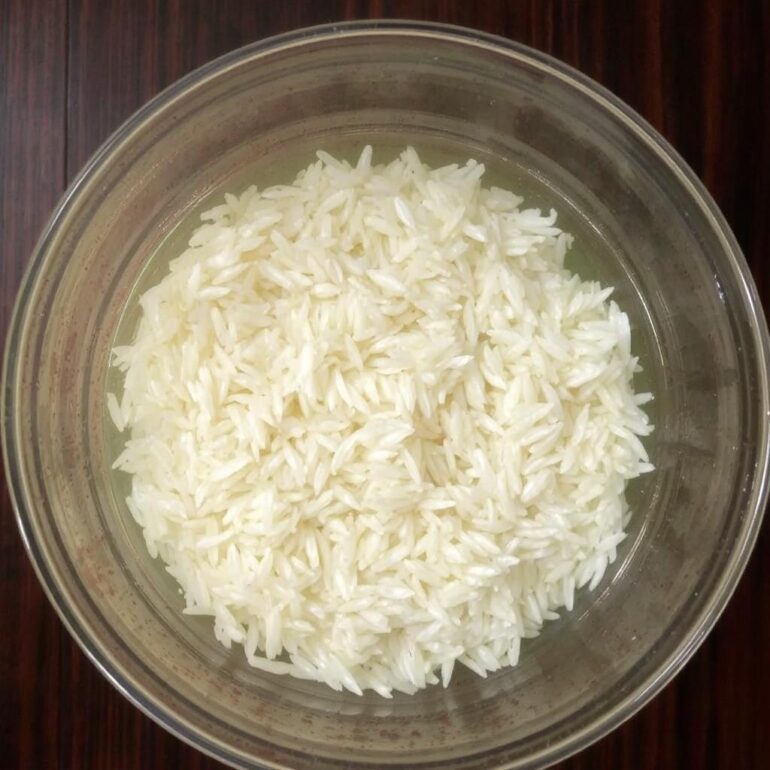
Why Soak? Soaking basmati rice softens the grains, making them more pliable and increasing their ability to stick together during cooking.
Ideal Soaking Time: Aim to soak the rice for about 30 minutes. This will help soften the outer layer and make it more starchy, perfect for achieving a sticky texture.
Water-to-Rice Ratio: For basmati, use a 1.5:1 water-to-rice ratio—enough to soften without making the rice mushy.
Cooking
Preferred Cooking Method: Whether you choose a pot, rice cooker, or Instant Pot, each can work well. Here’s a quick breakdown for each method:
Pot Method: Bring water to a boil, then reduce to a simmer, cover, and cook on low heat for 15–20 minutes. Let it rest for 5–10 minutes after cooking.
Rice Cooker: Place soaked rice and water in the rice cooker, and set to “Cook.” Let it sit for a few minutes once done for a stickier texture.
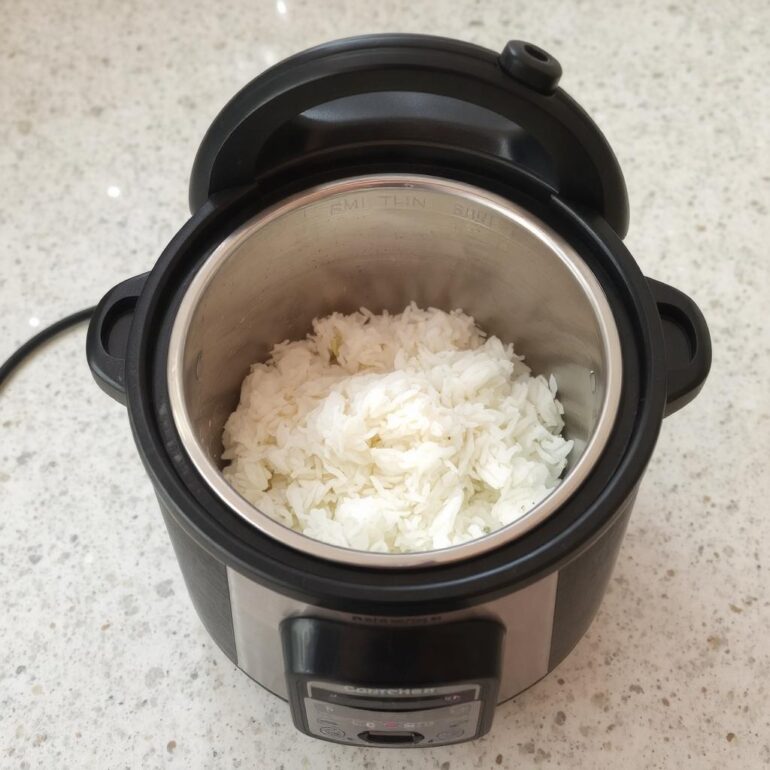
Instant Pot: Cook on high pressure for 4 minutes, then let the pressure release naturally.
Tips for the Perfect Texture: Once cooked, don’t fluff the rice with a fork—this will break up the starches. Instead, gently fold or scoop the rice to keep the sticky texture intact.
Flavoring
Herbs, Spices, and Sauces: Basmati rice is versatile, so try adding cinnamon, cardamom, or bay leaves for warmth, or top with chopped fresh herbs like cilantro or mint for a refreshing twist.tly nutty flavor brings an exciting twist to sticky rice dishes.
Savory Options: Add a little salt or butter for a subtle flavor. You can also experiment with seasonings like soy sauce, sesame oil, or a dash of rice vinegar to give it a savory twist.
Sweet Options: Drizzle with a bit of coconut milk and a sprinkle of sugar for a Thai-inspired sweet sticky rice. Add toppings like fresh mango, shredded coconut, or even a touch of honey.
Serving Suggestions
Sticky basmati rice pairs beautifully with a range of dishes. Here are a few ideas:
Breakfast: Serve with a side of fried eggs, avocado, and a sprinkle of chili flakes.
Lunch/Dinner: Pair it with saucy dishes like curries or stir-fries, or use it as a base for sushi rolls.
Creative Twists: Try it in a rice pudding, topped with berries and a drizzle of maple syrup, or serve alongside grilled veggies and meats for an elevated meal.
Storing Leftover Sticky Rice: Place leftovers in an airtight container and store in the fridge for up to 3 days. To reheat, add a small splash of water and microwave covered, or gently reheat in a pan to restore moisture.
Conclusion
Making sticky rice with basmati may not be traditional, but it’s a fun twist on a familiar staple. With a few simple adjustments, you can create a versatile sticky rice base that goes well with both sweet and savory dishes. So go ahead, give it a try, and don’t forget to experiment with flavors and toppings to make it your own!
If you enjoyed this recipe, leave a comment or share your own sticky rice tips! We’d love to hear about your creations!
Basmati rice hails from the fertile regions of India and Pakistan, two countries that produce the majority of the world’s supply. Grown at the foothills of the Himalayas, this long-grain rice has a rich history, deeply tied to the culture and cuisine of these regions. For centuries, basmati has been celebrated for its fragrant aroma and delicate, nutty flavor. The word “basmati” itself comes from the Sanskrit word meaning “fragrant.”
Why Basmati is So Popular
There’s a reason basmati rice is a pantry staple in homes around the globe. First, it’s aromatic—when it cooks, it releases a distinct, pleasant scent that fills your kitchen. The grains are also long and slender, giving dishes like biryani or pulao a beautiful texture. But it’s not just about looks and smell—basmati rice is easy to digest, low in fat, and has a lower glycemic index than other rice varieties, making it a favorite for those who want a healthier option.
The Experience of Cooking Basmati Rice
The moment you lift the lid on a pot of perfectly cooked basmati rice, the fragrant aroma fills the air, a hallmark of its quality. The long, fluffy grains remain separate, offering a light and delicate texture that enhances any dish. Basmati rice pairs beautifully with rich curries and savory sauces, balancing flavors and adding an aromatic touch to any meal. Its versatility and ease of preparation make it a favorite choice for a wide range of culinary creations, from simple side dishes to complex, flavorful entrees.
Cooking Tips for Perfect Basmati Rice
One of the keys to cooking basmati rice perfectly is rinsing it well. This helps remove excess starch, ensuring the grains don’t stick together. Here’s my tried-and-tested method:
Rinse the rice 3-4 times in cold water until the water runs clear.
Soak it for about 30 minutes to allow the grains to absorb some water, which helps them expand during cooking.
Use a 1:1.5 ratio of rice to water for stovetop cooking.
Please bring it to a boil, lower the heat, cover it, and let it simmer for about 15 minutes.
Once done, let it rest with the lid on for 5-10 minutes before fluffing it with a fork.
Nutritional Value and Health Benefits
Basmati rice isn’t just delicious; it’s also a healthy choice. It’s naturally gluten-free, low in sodium, and cholesterol-free. It provides a good source of energy and essential nutrients like thiamine and niacin. The lower glycemic index of basmati rice means it releases energy more slowly into the bloodstream, helping to keep blood sugar levels steady. This makes it a preferred choice for people with diabetes or those watching their carb intake.
Varieties of Basmati Rice
Basmati rice comes in different varieties, each with its unique traits. Some popular ones include:
Traditional White Basmati: The classic version is known for its long grains and signature aroma.
Brown Basmati: A whole grain option that retains the bran layer, making it higher in fiber and nutrients.
Aged Basmati: Some basmati rice is aged to intensify its flavor and aroma. This variety often has longer grains and is more fragrant.
Cultural Significance in Indian and Pakistani Cuisine
In both Indian and Pakistani cultures, basmati rice holds a special place. It’s the star ingredient in many iconic dishes, like biryani (a layered rice and meat dish) and pulao (a simpler spiced rice dish with vegetables or meat). Beyond its culinary uses, rice plays a role in religious ceremonies and celebrations, often symbolizing prosperity and fertility.
Basmati rice has traveled far from its origins, finding its way onto dinner tables worldwide. Whether you’re making a quick stir-fry or an elaborate biryani, basmati rice elevates any meal with its flavor, texture, and history.