
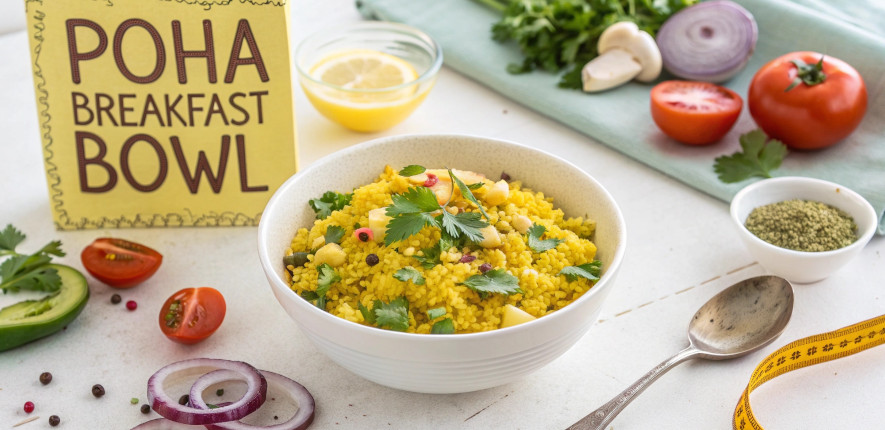
Ever feel like eating healthy means saying goodbye to your comfort food? Poha might just prove that wrong.
This fluffy, light dish made from flattened rice is a breakfast favorite across India. But is poha good for weight loss? The short answer is yes—if you know how to make it work for you.
Let’s break it down together, no confusing jargon, just real talk.
What Is Poha, Anyway?
Think of rice grains that have been flattened into thin flakes. That’s poha. It cooks quickly, absorbs flavor beautifully, and feels like home on a plate.
It’s:
- Low in fat
- Made of complex carbs
- Rich in iron
- Easy to digest
- Quick to cook
It’s the kind of meal that’s ready in minutes and still fills you up.
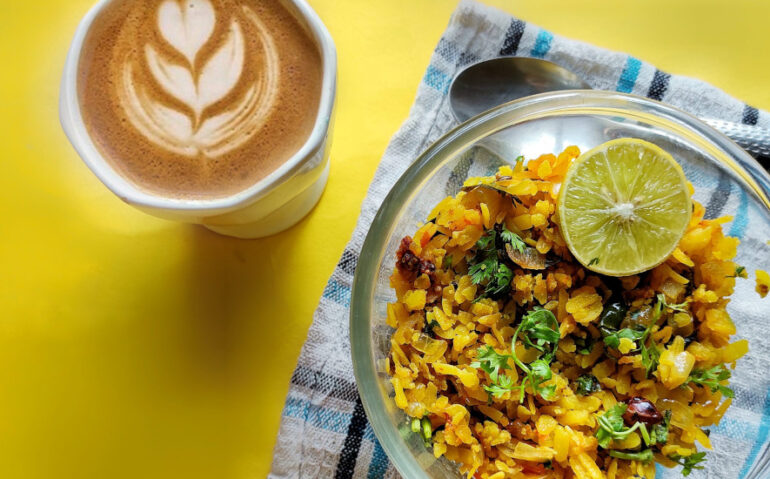
Can Poha Help You Lose Weight?
Yes. But only if you eat it the right way. Here’s why poha works:
- Low in Calories: A veggie-loaded bowl is usually around 250 to 350 calories.
- Has Fiber: Not tons, but enough—especially when you throw in some vegetables.
- Keeps You Full: Complex carbs break down slowly, so you stay full longer.
- Energy That Lasts: No sugar crashes or weird hunger pangs an hour later.
It’s all about making smart swaps, not cutting everything out.
What’s Inside Poha That Helps?
Here’s how poha supports your weight goals:
- Carbs: But the good kind—complex ones. You stay full, and your energy stays steady.
- Protein: On its own, it’s low. But add peanuts, sprouts, or paneer and it levels up.
- B-Vitamins: These help your body turn food into fuel.
- Iron and Potassium: Iron helps fight fatigue. Potassium supports heart health and keeps water levels in check.
Compared to cereal or a greasy paratha? Poha is lighter, more balanced, and easier on your system.
When Should You Eat Poha for Weight Loss?
Breakfast
Perfect time. It fuels your morning, keeps you alert, and digests easily.
Lunch
Still a solid option. Just make sure it’s got veggies and protein. That combo helps you avoid junk food later.
Dinner
Tricky. Poha is carb-heavy, and eating too many carbs at night might not work if you’re trying to cut weight. If you do eat it for dinner:
- Keep the portion small
- Use lots of veggies
- Add light protein like tofu or sprouts
- Skip the fried stuff
How to Make Poha for Weight Loss
Ditch the street-style version dripping with oil. Here’s a healthier take:
Ingredients (Serves 1–2)
- 1 cup thick poha (washed and drained)
- 1 tsp oil (use mustard, olive, or coconut)
- 1 small onion, chopped
- 1 tsp grated ginger
- 1 green chili (optional)
- 1.5 cups chopped veggies (carrot, bell pepper, peas, spinach)
- ½ tsp turmeric
- Salt to taste
- 1 tbsp lemon juice
- Fresh coriander
Protein Add-Ons (Choose 1–2)
- 1 tbsp roasted peanuts
- ¼ cup sprouted moong
- 50g paneer (lightly sautéed)
Steps
- Wash and soften poha. Let it sit covered for 5–7 minutes.
- In a pan, heat oil. Add mustard seeds, cumin, curry leaves, and chili.
- Add onions and ginger. Sauté till soft.
- Toss in all the veggies and turmeric. Cook for 4–5 minutes.
- Add the poha and salt. Mix gently. Steam for 2–3 minutes with the lid on.
- Turn off heat. Add lemon juice and protein.
- Garnish with coriander and serve warm.
Pro Tip:
Stick to 1.5 cups per serving. That’s enough to feel full without going overboard.
Can Diabetics Eat Poha Too?
Yes, with a few tweaks. Poha has a medium glycemic index, meaning it raises blood sugar moderately—not too fast, not too slow.
To keep it blood sugar–friendly:
- Add lots of veggies
- Include protein
- Watch portions (1 to 1.5 cups max)
- Pair it with yogurt or buttermilk
- Skip any added sugar
As always, check your levels and talk to your doctor if you’re unsure.
Poha Isn’t Perfect. Here’s What to Watch For
Even healthy foods have limits. Be mindful of:
- It’s Carb-Based: If you’re on keto or cutting carbs, this might not fit.
- It’s Processed: Not heavily, but more than whole grains like brown rice.
- Calories Add Up: Fried potatoes, sev, or too much oil turn it into a heavy meal.
- Low Protein: On its own, it won’t fill all your nutrient needs.
Fix it with smart choices: more veggies, lean protein, and controlled portions.
Smart Tips to Make Poha Work for You
- Add More Veggies: Double the usual amount. They bulk it up and add fiber.
- Boost Protein: Always include peanuts, sprouts, or paneer.
- Use Less Oil: Stick to 1 tsp. Non-stick pans help.
- Control Portions: 1 to 1.5 cups max per serving.
- Skip the Extras: No sev, no sugar.
- Lemon Juice: Great flavor, zero calories.
- Hydrate: Drink water before or with your meal.
- Stick to Morning or Lunch: It’s more effective that way.
Final Thoughts
Poha is simple, comforting, and surprisingly helpful when you’re trying to lose weight. It won’t do the work alone, but when prepared right, it supports your goals.
Add veggies. Add protein. Use little oil. Watch your portions. Eat it at the right time.
You don’t have to give up the food you love to get healthy. You just have to make it work smarter for you.
Let me know if you’d like a catchy meta description or blog title suggestions too.
