What Is Sona Masoori Rice Used For? Everyday Uses, Health Benefits, and Cooking Guide

If you have ever stood in front of a rice shelf wondering what Sona Masoori rice is actually used for, you are not alone. It is one of the most commonly bought rice varieties in India. Yet many people still ask the same question.

What is Sona Masoori rice used for. Is it only for South Indian food. Is it good for daily use. And can it fit into a weight conscious diet.

The short answer is yes. But the real value lies in understanding why.

Let us break it down in a simple and practical way.

What Is Sona Masoori Rice

Sona Masoori rice is a medium grain rice variety grown mainly in the southern parts of India, especially Andhra Pradesh and Telangana.

It is lighter than many polished white rice varieties. It has a mild aroma. And when cooked properly, it turns soft and fluffy without becoming sticky.

Because of these qualities, it has quietly become a daily staple in millions of Indian homes.
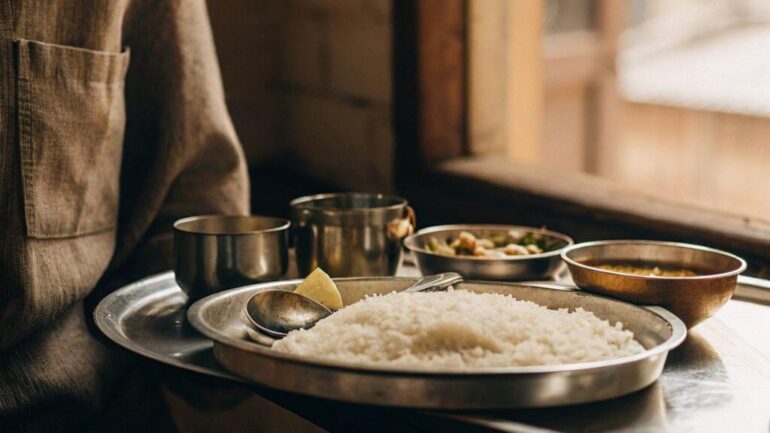
Sona Masoori Afternoon Meal

Why Sona Masoori Rice Is So Widely Used

The popularity of Sona Masoori rice is not accidental. It fits everyday cooking needs very well.

Here is what makes it different.

  • It cooks quickly
  • It feels light on the stomach
  • It absorbs flavors instead of overpowering them
  • It works well with simple meals and elaborate dishes

This balance is the reason people reach for it again and again.

What Is Sona Masoori Rice Used For in India

In India, Sona Masoori rice is mostly used for everyday meals. Not festival cooking. Not occasional indulgence. But daily comfort food.

Daily Home Meals

This is where Sona Masoori rice shines the most.

  • Steamed rice with dal
  • Rice with sambar or rasam
  • Rice served with vegetable curries
  • Simple curd rice

The grains stay soft. The rice does not feel heavy. And the meal feels complete without being overwhelming.

South Indian Rice Dishes

Sona Masoori rice is a natural choice for many South Indian preparations.

  • Lemon rice
  • Tamarind rice
  • Coconut rice

Because the grains absorb seasoning well, the flavors come through clearly without turning mushy.

Comfort Foods

For light and soothing meals, this rice is often preferred.

  • Khichdi
  • Soft rice porridge
  • One pot vegetable rice

These dishes are easy to digest and commonly recommended during recovery or when appetite is low.
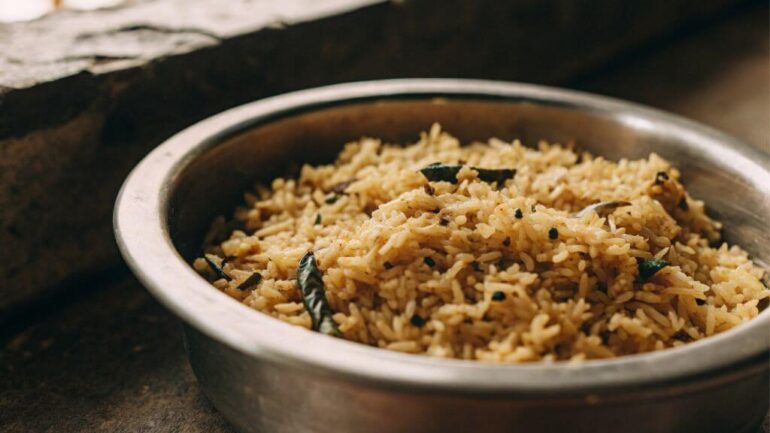
Sona Masoori Lemon Rice

What Is Sona Masoori Rice Used For Cooking Beyond Traditional Meals

Sona Masoori rice is not limited to traditional Indian cooking.

Many people now use it for:

  • Simple fried rice
  • Rice bowls with vegetables and protein
  • Lunchbox meals
  • Light biryani styles meant for regular days

Its neutral taste allows it to adapt to different cuisines without clashing with spices or sauces.

Is Sona Masoori Rice Good for Daily Use

Yes. And this is one of the main reasons people choose it.

Sona Masoori rice is commonly eaten every day in Indian households.

It feels lighter compared to heavier rice varieties. It does not cause that overly full feeling after meals. It works well for all age groups including children and elders.

From a practical standpoint, it is a rice you can comfortably eat often without feeling weighed down.

Is Sona Masoori Rice Good for Weight Loss

This is a common question. And the answer needs honesty.

No rice alone causes weight loss. But some rice varieties are easier to manage than others.

Sona Masoori rice is often considered a better option because:

  • It feels lighter than highly polished rice
  • It encourages portion control naturally
  • It pairs well with vegetables and protein rich foods

When eaten in moderation and as part of a balanced meal, it fits well into a weight conscious lifestyle.

The key is quantity and overall diet, not just the rice itself.

How to Cook Sona Masoori Rice Properly

Cooking it right makes all the difference.

Basic Method
  1. Rinse the rice two to three times to remove excess surface starch
  2. Use one cup of rice to two cups of water
  3. Cook until the grains are soft but not broken
  4. Let the rice rest for a few minutes before serving
Helpful Tips
  • Do not over soak the rice
  • Avoid too much water
  • Fluff gently after cooking

When cooked properly, the grains remain separate and soft.

Common Mistakes People Make

Many people think they do not like Sona Masoori rice. In reality, it is often a cooking issue.

Common mistakes include:

  • Using excess water
  • Overcooking until the grains break
  • Expecting a strong aroma like basmati
  • Skipping the rinsing step

Once these are corrected, the texture and taste improve significantly.

A Note From Experience

Working closely with families and long term rice buyers, one thing becomes very clear. People who choose Sona Masoori rice are not looking for showy meals. They are looking for reliability.

They want rice that cooks the same way every day. Rice that suits all age groups at home. Rice that works for lunch, dinner, and simple comfort meals.

That consistency is what keeps them coming back to this variety year after year.

How Sona Masoori Rice Fits Modern Lifestyles

Today, meals need to be quick, flexible, and comforting.

Sona Masoori rice fits easily into modern routines.

  • It is meal prep friendly
  • It pairs well with simple home cooking
  • It adapts to different cuisines
  • It does not require special handling

That is why it remains relevant even as food habits evolve.

Frequently Asked Questions

Is Sona Masoori rice sticky?
No. When cooked properly, it stays soft and fluffy.

Can it be used for biryani?
Yes, for lighter everyday biryani styles.

Is it suitable for children and elders?
Yes. It is commonly preferred because it is easy to digest.

Can it be eaten daily?
Yes, it is widely consumed daily in Indian households.

Final Thoughts

So, what is Sona Masoori rice used for.

It is used for daily meals. It is used for comfort food. It is used for simple and balanced cooking.

Its strength lies in being practical, reliable, and easy to live with.

If you are looking for a rice that quietly supports everyday cooking without demanding attention, Sona Masoori rice does exactly that.

Read more

Hand-Pounded Rice: Nutrition, Benefits, and What You Should Know Before Making the Switch

We live in a time when more people are looking back at traditional food habits to find real nourishment. Among the many forgotten grains making a comeback, hand-pounded rice is quietly reclaiming its place on the Indian plate.

Suppose you’ve ever wondered what makes it special or how it compares to regular white rice. In that case, this post will help you understand its nutrition, benefits, weight loss connection, and possible side effects — all in simple, practical terms.

What Is Hand-Pounded Rice?

Before machines took over, rice was traditionally pounded by hand to remove the outer husk while keeping the nutritious bran layer mostly intact. This process gives the rice a slightly brownish tint and a nuttier flavor.

In contrast, modern milling techniques polish the rice to make it look white and shiny — but this process removes much of its fiber and nutrients. Hand-pounded rice may not look as refined, but it’s the version that stays true to nature.

Visual idea: A close-up image showing hand-pounded rice beside polished rice — the color and texture difference tells the story itself.

Hand-Pounded Rice Nutrition Facts

One of the main reasons people are switching back to hand-pounded rice is its nutrition profile. Because it’s only semi-milled, it retains the goodness that gets lost in processing.

Here’s what 100 grams of cooked hand-pounded rice typically contains:

  • Calories: Around 110–130
  • Carbohydrates: 24–26 g
  • Protein: 2–3 g
  • Fiber: 1.5–2 g
  • Fat: Less than 1 g
  • Rich in: Iron, magnesium, zinc, B-vitamins, and antioxidants

The slightly higher fiber and mineral content make it more balanced than white rice. It digests slowly, giving steady energy rather than quick spikes and drops in blood sugar.

Hand-Pounded Rice Benefits

1. Improves Digestion and Gut Health

Because it retains some of its bran, hand-pounded rice has natural fiber that supports digestion and helps prevent constipation. It also promotes healthy gut bacteria, which plays a vital role in overall wellness.

2. Helps Maintain Steady Energy

Unlike refined white rice, which gets digested quickly, hand-pounded rice releases energy slowly. You stay full longer, feel more energetic through the day, and avoid sudden hunger pangs.

3. Supports Heart Health

The fiber in hand-pounded rice may help reduce bad cholesterol levels. It’s also low in sodium and contains magnesium, which supports healthy blood pressure.

4. Keeps Blood Sugar Levels Stable

With a lower glycemic index compared to polished rice, it helps in maintaining stable blood sugar. This makes it a good option for people trying to manage diabetes or reduce sugar intake.

5. Encourages Sustainable Eating

By choosing hand-pounded rice, you support local farmers and traditional milling practices. It’s food that not only nourishes you but also keeps old, sustainable methods alive.

“Good food doesn’t need to be fancy. It just needs to be real.”

Hand-Pounded Rice Benefits for Weight Loss

Many people today are replacing white rice with hand-pounded rice in their weight-loss journey — and for good reason.

Here’s why it helps:

  • High in fiber: You feel full for longer, reducing unnecessary snacking.
  • Low glycemic index: Keeps your insulin levels steady, which is important for fat metabolism.
  • Satisfying texture: Its slightly firm texture slows down eating, giving your brain time to register fullness.

However, it’s not a magic food. Weight loss depends on your total diet and lifestyle. Hand-pounded rice can support your goals when eaten in the right portions, preferably paired with vegetables, lentils, and protein.

If you’re used to white rice, start small — mix half and half. Over time, your taste buds and body will adjust naturally.

Hand-Pounded Rice Side Effects: What You Should Know

While hand-pounded rice has plenty of benefits, being aware of a few points ensures a balanced view.

  • Heavier for some people: Because it contains more fiber and bran, it can feel slightly heavier on the stomach, especially for those with sensitive digestion or recovering from illness.
  • Storage care: Natural oils in the bran layer can turn rancid faster in humid conditions. Store it in a cool, dry place in an airtight container.
  • Cooking time: It takes slightly longer to cook, so soaking it for 20–30 minutes helps soften the grains.

These are not exactly “side effects” but practical considerations. For most people, hand-pounded rice is completely safe and healthier than over-processed varieties.

How to Include Hand-Pounded Rice in Your Diet

You don’t need to make a dramatic switch overnight. Start by introducing it into familiar dishes.

  • Replace white rice in your everyday meals once or twice a week.
  • Try traditional recipes like pongal, idlis, khichdi, or lemon rice.
  • Use it for salads or rice bowls for a slightly nutty taste and texture.

Adding a drizzle of ghee or coconut oil can make it softer and easier to digest.

Visual idea: A bright image of a homely meal — hand-pounded rice served with dal, vegetables, and curd.

Real Insights from Nutrition Experts

Nutritionists often emphasize variety, balance, and moderation. Hand-pounded rice fits perfectly within that philosophy. It’s not about eliminating polished rice, but about understanding how traditional grains contribute to long-term health.

According to a study published in Food Science & Nutrition, rice varieties that retain their bran layer contain higher levels of antioxidants and essential nutrients. These natural compounds help protect cells from oxidative stress and support better metabolic health.

That’s the kind of quiet strength traditional foods offer — nutrition rooted in simplicity.

Final Thoughts: Bringing Tradition Back to the Table

In a world that often confuses convenience with health, hand-pounded rice reminds us that the simplest choices can sometimes be the most nourishing.

It may take a little longer to cook, and its earthy flavor might need a bit of getting used to, but once you do, it becomes a beautiful reminder of balance — the kind our grandparents practiced without ever calling it a “diet.”

Switch to hand-pounded rice, not because it’s trending, but because it’s time-tested. Eat mindfully, appreciate what’s on your plate, and let food do what it’s meant to — keep you well, naturally.

Read more

Sona Masoori Rice: How Many Whistles in a Pressure Cooker? (Solved!)

If you’ve ever stood over your pressure cooker wondering, “Kitne seeti lagne chahiye?” for Sona Masoori rice, you’re not alone. My cousin Priya calls me every month asking this exact question. Let’s fix this once and for all.

Why Sona Masoori Loves Your Pressure Cooker

Sona Masoori is that light, fluffy rice perfect for daily meals. It cooks fast, doesn’t weigh you down, and pairs with everything from dal to curries. And the pressure cooker? It’s magic for this rice – quick, energy-smart, and foolproof… if you know the trick.

The Big Answer: How Many Whistles?

For most stovetop pressure cookers:

→ 2 whistles on medium heat.

That’s your golden number for separate, tender grains.

But Wait – It Depends

  • Your rice: Fresher rice? Maybe 1.5 whistles. Older? Stick to 2.
  • Your cooker: Heavy-bottomed? 2 whistles. Thin pot? Try 1.5 first.
  • Your texture: Like it firmer? 1.5 whistles. Softer? 2.5.
  • Start with 2. Adjust next time if needed.

The Real Secret? Water Ratio

Whistles mean nothing without the right water. Use this:

→ 1 cup rice : 1.5 cups water.

Always. Measure with the same cup.

Pro tip: Rinse rice 3 times till water runs clear. Stops mushiness.

My Foolproof Step-by-Step

  1. Rinse 1 cup Sona Masoori rice until water is nearly clear. Drain well.
  2. Add rice to cooker pot. Pour 1.5 cups water.
  3. Optional: ½ tsp salt, 1 tsp oil or ghee (prevents sticking).
  4. Seal cooker lid. Heat on medium-high.
  5. After the first steady steam hiss, lower heat to medium.
  6. Wait for 2 whistles.
  7. Turn off heat immediately.
  8. Let pressure drop naturally – 15 minutes. DO NOT open early!
  9. Open lid. Fluff rice with a fork. Done!

Electric Cooker? (Instant Pot)

No whistles here. Do this instead:

→ Manual/Pressure Cook mode: 4 minutes

→ Water ratio: 1 cup rice : 1.25 cups water

→ Natural release: 10 minutes

Fluff. Serve.

Troubleshooting Your Rice

  • Mushy/Sticky? You used too much water. Or forced the pressure release.
  • Hard/Undercooked? Needed more water or half an extra whistle.
  • Burnt bottom? Heat was too high. Add that spoonful of oil next time.

Final Tip

Let rice sit fluffed for 5 minutes before serving. Spread steam evenly.

So next time, remember: 2 whistles + 1.5 water + patience = perfect Sona Masoori. No more gluey rice or guesswork. Go try it – and tell me how it turns out!

Read more

How to Cook Jeerakasala Rice Like a Kerala Kitchen Pro

You know that fragrant, buttery rice they serve with Kerala-style biryani? The one with those tiny grains that soak up all the flavors? That’s jeerakasala rice—my grandma’s secret weapon for turning simple meals into celebrations. Let me walk you through how to nail it, just like she taught me.

What You’ll Need

  • 1 cup jeerakasala rice (don’t substitute—this rice is special!)
  • 2 cups water
  • 1 tbsp ghee (or coconut oil for a vegan twist)
  • 1 tsp cumin seeds
  • 2-3 cloves
  • 1-inch cinnamon stick
  • Salt to taste

Let’s Get Cooking

Step 1: Rinse Like You Mean It
Wash the rice under cold water until the water runs clear. This removes excess starch and stops the grains from sticking. Grandma always said, “If you’re lazy here, your rice will punish you later.”

Step 2: Toast the Spices
Heat the ghee in a pot. Throw in the cumin seeds, cloves, and cinnamon. Let them sizzle for 20 seconds—you’ll smell the magic when they’re ready.

Step 3: Add Rice & Water
Drain the rice and add it to the pot. Stir gently for a minute to coat the grains with ghee. Pour in 2 cups of water, sprinkle salt, and give it a quick mix.

Step 4: Cook Low and Slow
Cover the pot, reduce the heat to low, and walk away. Seriously—no peeking! Let it simmer for 15 minutes. After that, turn off the heat and let it sit, still covered, for 5 more minutes.

Step 5: Fluff and Serve
Use a fork to fluff the rice. The grains should be separate, fragrant, and slightly buttery.

Pro Tips I Learned the Hard Way

  • Water Ratio: Stick to 1:2 (rice to water). Too much water turns it mushy.
  • Don’t Stir: Once the water boils, resist the urge to stir. Trust the process.
  • Spice Swap: No cloves? Skip them. But cumin is non-negotiable.

Why Jeerakasala Rice Wins
Ever wondered why restaurant biryani rice tastes so good? It’s this rice. The short grains absorb spices without losing their bite, and the aroma? Unbeatable. Pair it with a spicy curry, or keep it simple with yogurt and pickle.

Got questions? Try it this weekend and tell me how it goes. And hey—if your rice turns out sticky, don’t sweat it. Mine did too… the first three times.

Read more