
If you want soft idlis, the first thing you need to get right is the rice. Not all rice is created equal — especially when it comes to making idlis.
So what is idly rice, and why is it different?
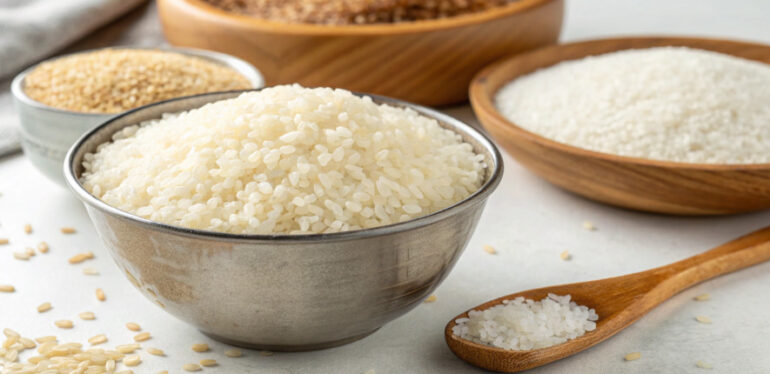
Idly rice is a short-grain parboiled rice that’s specially processed for better fermentation. It soaks faster, grinds smoother, and gives you that light, airy texture you’re aiming for. When you hear someone say, “These idlis melt in the mouth,” you can be sure they used the right kind of rice.
Over the years, we’ve fine-tuned our manufacturing process to retain just the right amount of starch and surface roughness, which helps the batter hold air during fermentation. That’s what gives you those soft, spongy idlis.
Types of rice and why others don’t work as well:
- Raw rice: Can make idlis gritty or dry
- Basmati: Too fragrant and long-grained — not ideal
- Sona masoori: Okay in emergencies, but still not the same
Storage Tip:
Always store your idly rice in a cool, dry place in an airtight container. Moisture can ruin the rice’s natural balance and affect fermentation.
Key takeaway:
Start with good quality idly rice. It’s the base of everything else that follows.
Essential Idly Recipe Ingredients
Here’s what you’ll need for a basic, reliable idly recipe:
- Idly rice – 4 cups
- Whole urad dal (black gram, skinless) – 1 cup
- Fenugreek seeds (methi) – 1 tsp
- Water – As needed for soaking and grinding
- Salt – To taste, added after fermentation
This ratio of 4:1 (rice to dal) gives the best balance of softness and structure. If your idlis are too sticky or flat, chances are the ratio was off.
What to look for when buying ingredients:
- Urad dal should be white and fresh, not yellowish
- Fenugreek seeds add flavor and help fermentation, especially in cooler climates
- Use clean, filtered water — chlorine can sometimes mess with fermentation
Avoid:
- Pre-ground rice flours or dal — these don’t ferment as well
- Skipping fenugreek — it may seem small, but it makes a big difference
Key takeaway:
Stick to whole, fresh ingredients — especially good idly rice and urad dal — and don’t skip the fenugreek.
Step-by-Step: How to Make Idly Batter with Idly Rice
Let’s get into the heart of it: the batter. If you get this part right, you’re 90% there.
1. Soaking
Soak separately:
- Idly rice – Soak for 6 hours
- Urad dal + fenugreek seeds – Soak for 4 to 6 hours
Use enough water so everything is submerged. Don’t rush this step — soaking helps soften the grains and improve grindability.
2. Grinding
You can use a wet grinder or a powerful mixer-grinder.
First, grind urad dal:
- Add small amounts of water as you go
- Grind till it’s fluffy and light (you should see tiny air bubbles)
- Transfer to a large bowl
Next, grind rice:
- Aim for a slightly coarse texture (like fine sand)
- Add to the same bowl
Mix well:
Use your hand to mix the batters. It helps activate natural fermentation by adding beneficial bacteria from your skin — yes, really!
3. Water and Consistency
The batter should be thick but pourable. Think of thick pancake batter. Not too watery, not too dry.
4. Fermentation Secrets
Here’s where most people go wrong. Here’s how to get it right:
- Temperature matters: Ideal is around 30°C (86°F). In colder places, place the batter in an oven with the light on or wrap it in a warm towel.
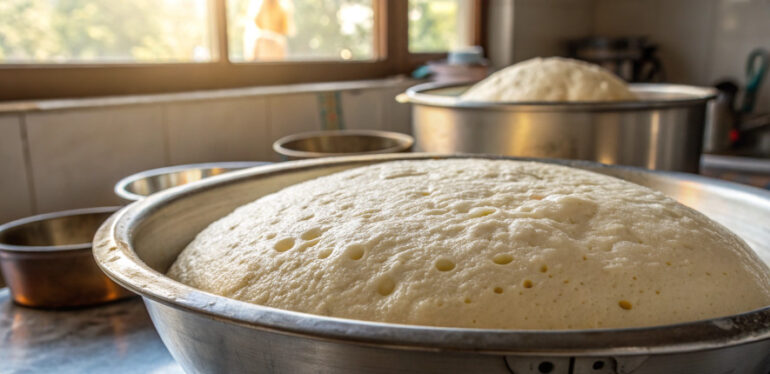
- Fermentation time: Usually 8–12 hours. The batter should double in volume and smell mildly sour.
- Signs it’s ready: Bubbly top, light texture, and a slight rise.
Key takeaway:
Good fermentation = soft idlis. Give it time and warmth.
Mastering the Fermentation Process
Let’s talk science for a second — but keep it simple.
Fermentation happens when natural bacteria and yeast break down the sugars in rice and dal. This process creates air pockets, which make your idlis rise and fluff up while steaming.
Environmental factors to keep in mind:
- Cold weather slows fermentation
- Excess salt before fermentation can stop the rise
- Over-fermentation smells too sour and can make idlis collapse
Seasonal tips:
- Winter: Add a pinch of sugar or keep the batter in a slightly warm spot
- Summer: Shorten fermentation to 6–8 hours to avoid over-rising
Troubleshooting:
- Batter didn’t rise? Warm it up a bit and give it 2 more hours.
- Batter too runny? Mix in a bit of semolina (rava) or rice flour, then let it sit for 30 minutes.
Key takeaway:
Keep the batter warm and watch for doubling. That’s your sign it’s ready.
Cooking Perfect Soft Idlis
Finally, it’s time to steam!
- Grease your idly plates lightly with oil or ghee.
- Pour in the batter gently — don’t overfill.
- Steam for 10–12 minutes on medium heat. Avoid opening the lid midway.
- Let them sit for 2 minutes after steaming before unmolding.
Preventing sticky idlis:
- Don’t use too much water in the steamer
- Use fresh, well-fermented batter
- Don’t over-steam — they’ll turn rubbery
Key takeaway:
Gentle steam, perfect timing, and a light hand with greasing give the best results.
Troubleshooting Common Idly Problems
Dense idlis?
- Batter too thick or under-fermented
- Urad dal not ground fluffy enough
Over-fermented batter?
- Add a tablespoon of rava or mix it with fresh batter
Sticky texture?
- Rice may not have been rinsed well
- Steam time too long or steamer too wet
When to start over:
- If it smells bad or looks discolored — don’t risk it
- Otherwise, try adjusting the batter and give it one more shot
Key takeaway:
Most problems can be fixed — don’t toss the batter too quickly!
Expert Tips from Professional Idly Rice Expoters
Having seen what goes into rice from seed to sack, here are a few things we’ve learned:
- Always rinse rice 2–3 times to remove excess starch
- Use fresh stock — old rice doesn’t ferment the same
- Drying and milling techniques impact how well rice absorbs water and grinds smoothly
- Uniform grain size leads to even fermentation
In short, not all idly rice is the same. Ours is carefully processed to give home cooks the same results chefs expect in professional kitchens.
Key takeaway:
Choose rice from a trusted source — it shows in every bite.
Conclusion
Soft, fluffy idlis aren’t magic. They’re the result of good ingredients, the right technique, and a little care. With the tips and steps we’ve shared, you’re well on your way to becoming your family’s idly expert.
Don’t be afraid to experiment and learn — that’s how we all get better.
Ready to try?
Use our premium-quality idly rice and taste the difference for yourself.